Who will love it
Morning or late afternoon

Morning or late afternoon
The Istanbul Archaeology Museums offer a quiet, contemplative escape from the chaotic crowds of Sultanahmet, but the sheer volume of stone artifacts can easily trigger museum fatigue.
It is a deeply rewarding destination for history buffs who want to see the Alexander Sarcophagus and the Treaty of Kadesh up close, but casual sightseers may find the endless halls of classical sculpture repetitive.
To keep your visit engaging, prioritize the Museum of the Ancient Orient and the Tiled Kiosk early on, and plan for a relaxed three-hour pace.
Keep in mind that this complex requires a separate 15 EUR (approximately 800 TRY) ticket from the neighboring Topkapi Palace, though it is fully covered by the Museum Pass Istanbul.
If you are basing your stay in Sultanahmet—perhaps in a local apartment sourced through istanbuldaire.com—take the T1 tram to the Gulhane stop and aim to arrive right at 09:00.
This timing lets you explore the peaceful courtyard and main halls before the tour groups arriving from Topkapi begin to fill the galleries after lunch.
Editor's Tip: Do not skip the Tiled Kiosk (Çinili Köşk). Its vibrant Seljuk and Ottoman ceramics and smaller scale offer a colorful, welcome contrast to the massive stone collections in the main buildings.
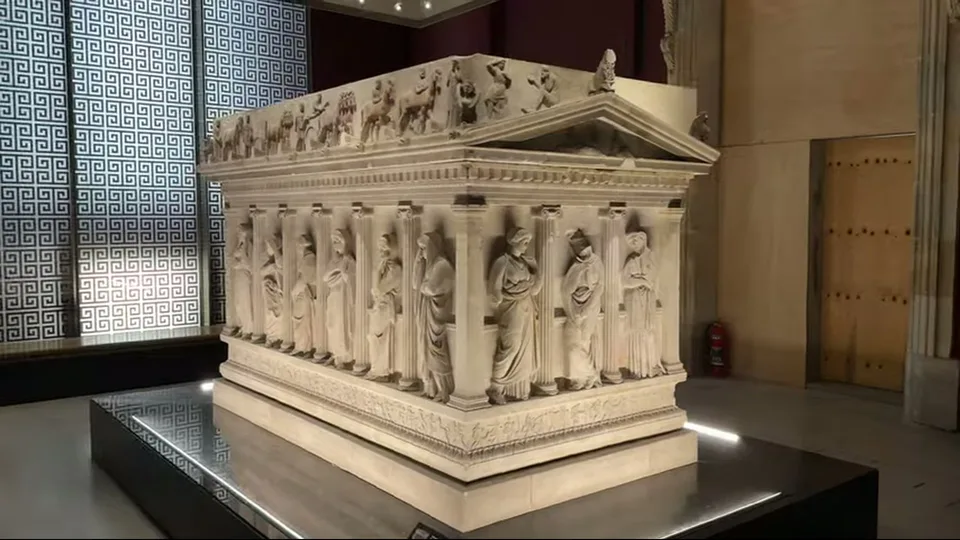
Istanbul Archaeology Museums
Istanbul
760 TRY
09:00 or two hours before closing
09:00–19:00 (Summer), 09:00–17:30 (Winter)
Gülhane (T1 Tram)
3 hours
TRY
The standard entrance ticket costs 760 TRY and provides access to all three main sections: the Archaeology Museum, the Museum of the Ancient Orient, and the Tiled Kiosk. For most visitors, this basic ticket is the best option because the museum is rarely as crowded as the neighboring Topkapi Palace, making premium fast-track options unnecessary.
A common mistake for first-time travelers is buying individual tickets for each site in the Sultanahmet area. If you plan to visit more than three state-run museums, including the Topkapi Palace or the Galata Tower, the MuseumPass Istanbul is a much smarter investment. It includes the Archaeology Museums and allows you to skip the ticket booth entirely.
To experience the galleries in near-total silence, arrive exactly at 09:00. The museum is a massive complex, and starting early allows you to explore the Museum of the Ancient Orient and the Tiled Kiosk before the midday heat. Photographers will find the morning light best for capturing the intricate blue tiles of the kiosk facade.
For a more relaxed pace, the two hours before closing are excellent. While the crowds at nearby landmarks remain thick until sunset, the Archaeology Museums usually empty out, leaving the Hellenistic statues and the Alexander Sarcophagus almost entirely to you.
Families should stick to the morning slots when energy levels are high, as the three-hour walking route can be tiring for children.
The primary way to save is through the MuseumPass Istanbul or the broader MuseumPass Turkey. These passes are valid for five to fifteen days and significantly lower the per-site cost if you are visiting multiple landmarks. There are no specific 'combo' tickets sold at the gate that pair the museum with private attractions like the Basilica Cistern.
Children under the age of 12 enter for free, but you must present a physical passport at the ticket window to secure the complimentary entry. Residents with a Turkish ID can use the Müzekart, but this is not available to those on tourist visas. There are no specific discounts for seniors or students of foreign universities at this time.
A guided tour is worth the investment if you want to connect the dots between the various civilizations on display, such as the Hittites, Babylonians, and Romans. A professional can quickly lead you to the 'heavy hitters' like the Kadesh Treaty—the world's oldest peace treaty—and explain the complex symbolism of the sarcophagi that you might otherwise miss.
If you prefer to absorb history at your own speed or are specifically interested in the aesthetics of the statues, a self-guided visit is perfectly fine. The signage in English is comprehensive, and the chronological layout of the main building is easy to navigate without assistance. Take a tour for the stories; go solo for the atmosphere.
Tip: Start your visit with the Museum of the Ancient Orient. It is smaller and contains the Kadesh Treaty, making it a great 'appetizer' before tackling the massive main archaeology building.
Mini-calculator based on crowd levels by day and time.
Mini-calculator based on crowd levels by day and time.
This day is usually calmer than average. This slot has a higher chance of a comfortable visit: compromise between light and visitor flow. Weather is currently not ideal: clear ☀️.
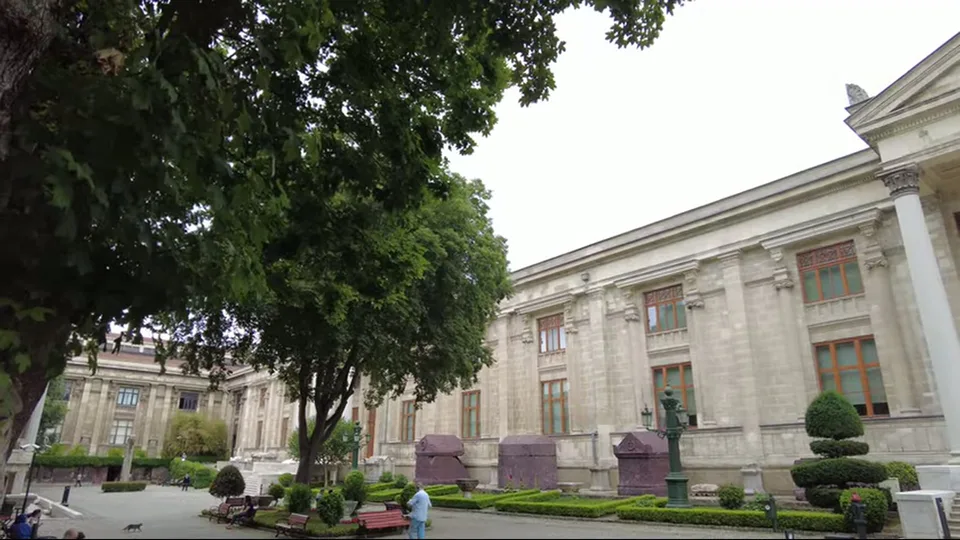
The museum complex is situated on the Osman Hamdi Bey slope, just inside the outer walls of Topkapi Palace. To get here, take the T1 tram line to the Gülhane stop. From the station, walk uphill through the park entrance; the museum gates will be on your left before you reach the palace's main courtyard.
This entrance is significantly less chaotic than the main palace gates, offering a quieter start to your visit.
After passing through the mandatory security screening, you will enter a courtyard that connects three distinct buildings. Most visitors lose time by not realizing the scale of the site; the collection spans the main Archaeology Museum, the Museum of the Ancient Orient, and the Tiled Kiosk.
It is best to prioritize the main building first to see the Alexander Sarcophagus before your energy flags.
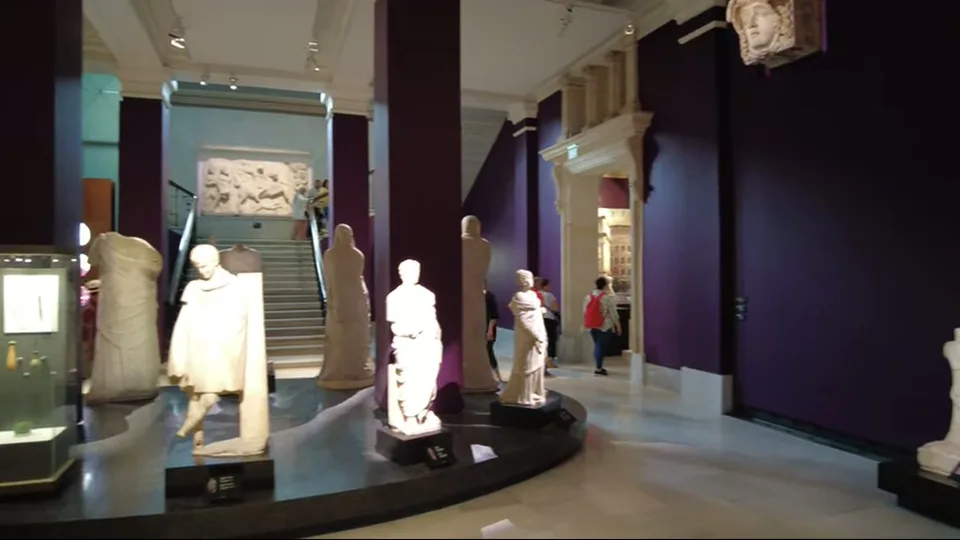
The museum is a massive complex consisting of three distinct buildings: the main Archaeology Museum, the Museum of the Ancient Orient, and the Tiled Kiosk. Expect to spend at least three hours here to properly see key pieces like the Alexander Sarcophagus and the Treaty of Kadesh.
Since you must cross an open courtyard to move between the pavilions, dress according to the weather to stay comfortable during the transitions.
While this site is generally less crowded than the neighboring Topkapi Palace, a mandatory security screening at the entrance is required for all visitors and can take about 10 minutes.
The experience involves significant walking and standing among stone artifacts, which may feel repetitive if you are not a dedicated history enthusiast. Advance booking is mandatory to enter for 760 TRY; ensure your ticket is ready before reaching the turnstiles to avoid delays.
A cloakroom is available near the entrance for storing items that are too large for the galleries. If you are traveling with large luggage, you must leave it in the storage area as it will not be allowed past the ticket gates.
Strollers are permitted in most areas, but be prepared for occasional steps and narrow passages in the older sections of the complex, such as the Tiled Kiosk.
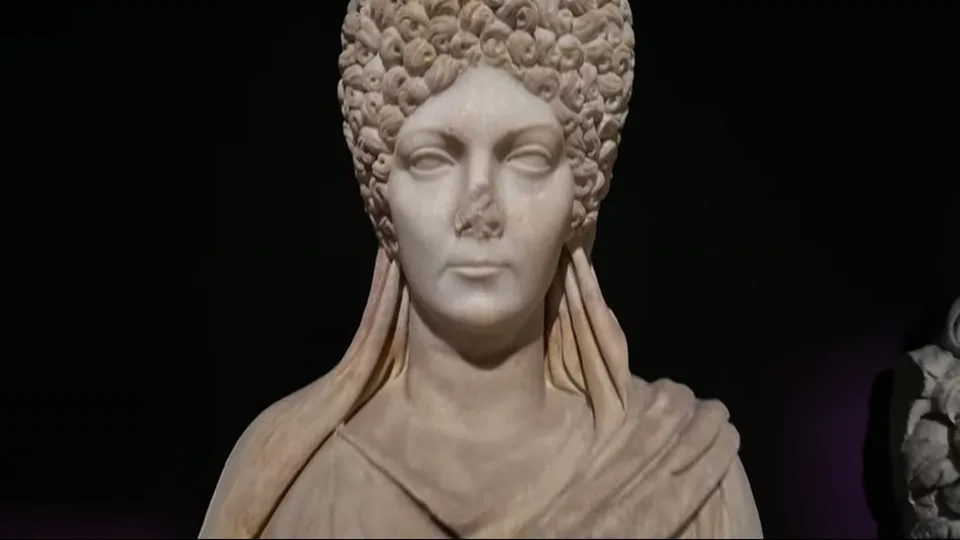
Start your morning at the Istanbul Archaeology Museums to explore the Sarcophagus of Alexander in relative peace before the midday crowds arrive. Afterward, walk through the greenery of Gulhane Park to Matbah Restaurant for a lunch of authentic Ottoman dishes.
Spend your afternoon at the Topkapi Palace complex, and conclude the day by watching the sunset between the minarets of Hagia Sophia and the Blue Mosque.
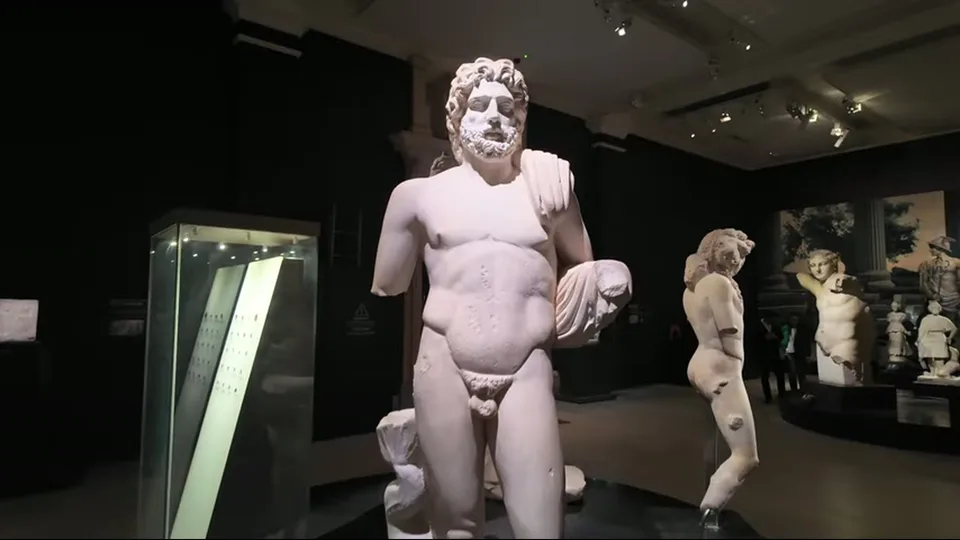
Istanbul Archaeology Museums
Established in the late Ottoman era, this complex was the empire's first modern museum, designed to house a massive collection of treasures from across three continents. It was founded to protect regional heritage from being exported abroad, marking a turning point in how the state preserved its ancient past.
The museum consists of three distinct buildings. The Tiled Pavilion is the oldest structure, showcasing early Ottoman ceramic work, while the main Neo-Classical building houses the legendary Alexander Sarcophagus and the Treaty of Kadesh, the world's oldest known peace treaty.
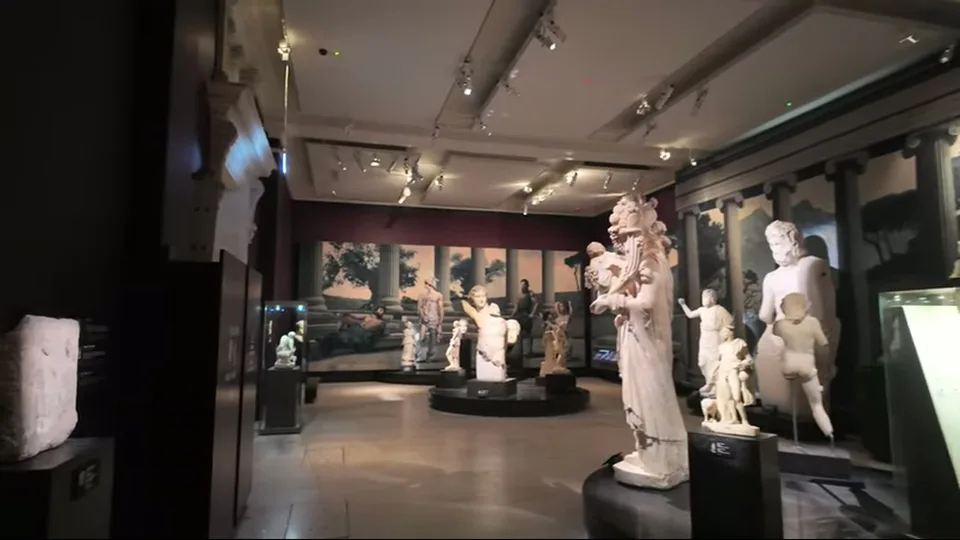
Today, the site offers a quieter, more academic alternative to the crowded halls of the neighboring Topkapi Palace. With over a million artifacts ranging from pre-Islamic Arabian art to Roman statuary, it serves as a comprehensive visual timeline of the civilizations that shaped the Mediterranean and the Middle East.
A massive complex near Topkapi Palace housing the Alexander Sarcophagus, the oldest peace treaty, and a million artifacts without the heavy crowds.
The sheer scale and the abundance of ancient statues can be exhausting for those not deeply interested in ancient history.
Allow three hours for a thorough visit to all halls, including the Tiled Pavilion and the Museum of the Ancient Orient.
15 EUR (760 TRY)
Take the T1 tram line to the Gülhane stop; advance booking is required.
Open daily from 09:00 to 17:30 in the winter and until 19:00 in the summer.
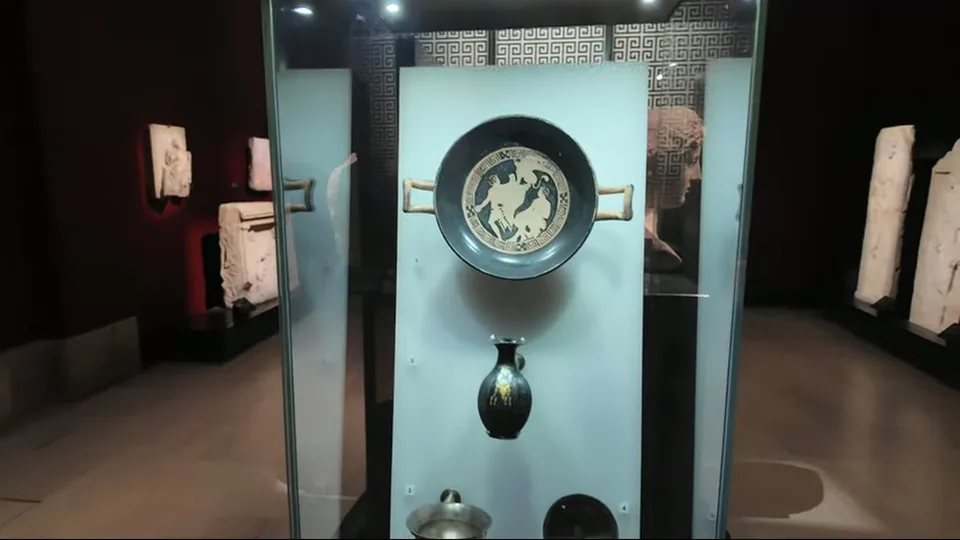
Wheelchair accessible with elevators and ramps; some uneven courtyard stones.
Free entry for children under 12; strollers permitted throughout.
The Istanbul Archaeology Museums complex is accessible for wheelchair users and visitors with reduced mobility. The main Archaeology Museum building is equipped with modern elevators and ramps reaching all floors.
The Museum of the Ancient Orient and the Tiled Kiosk are ground-level structures, making them accessible, though the historic stone paving in the outdoor courtyard can be uneven for manual wheelchairs.
Strollers are permitted inside all museum buildings. Elevators provide easy access to the upper levels of the main building, making it convenient for families with young children to explore the extensive sarcophagi collections. The museum gardens offer a peaceful environment with plenty of space for a break away from the city crowds.
Admission is free for children under 12 years of age. A valid passport or official ID must be presented at the ticket counter to verify the child's age and obtain a free ticket. Adult tickets are 525 TRY. All visitors under the age of 16 must be accompanied by an adult.
While the main halls are spacious, some side galleries in the Museum of the Ancient Orient have narrower passages, though they remain manageable for standard-sized strollers.
Clean restrooms are located on the ground floors of the main Archaeology Museum building and the Museum of the Ancient Orient. These facilities are free for all ticket holders.
A casual outdoor cafe is situated in the garden courtyard between the museum buildings. It offers a quiet atmosphere for Turkish coffee, tea, and light snacks among ancient stone artifacts.
A museum gift shop is located near the main entrance. It stocks high-quality replicas of famous artifacts, academic books on Ottoman and Byzantine history, and various themed souvenirs.
Public Wi-Fi is not available within the museum pavilions. There are no public water fountains on-site, but bottled water is available for purchase at the garden cafe.
Basic nursing facilities are available in the main building. While the museum does not have a dedicated prayer room, several major mosques are located within a short walking distance in the Sultanahmet district.