Who will love it
2 to 3 hours

2 to 3 hours
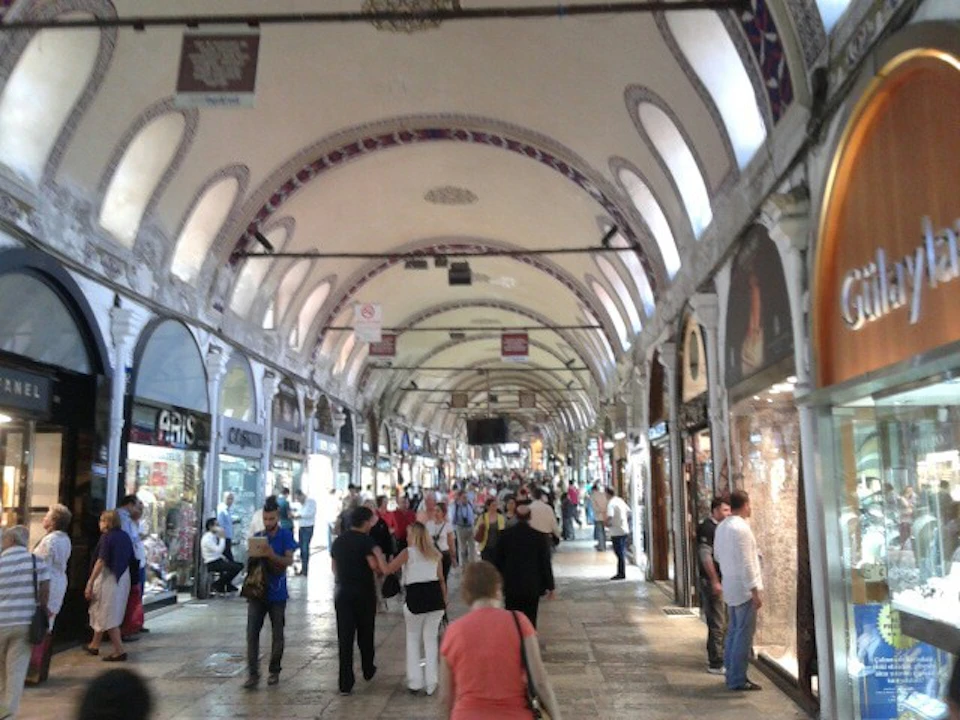
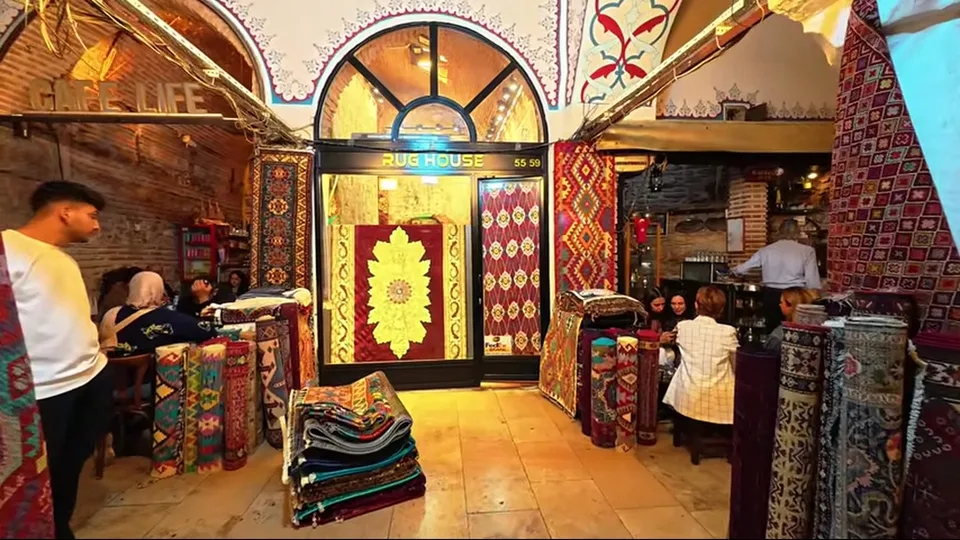
First-time visitors seeking the quintessential 'Old Istanbul' atmosphere should prioritize the Grand Bazaar. It is the premier choice for those who want to browse a vast selection of high-quality ceramics, Turkish textiles, and artisanal jewelry in a historic setting, offering a level of architectural charm that modern shopping malls cannot replicate.
The Grand Bazaar is a test of sensory endurance. While the main thoroughfares are dazzling, the real character lies in the side 'hans' (courtyards) where artisans still work. If you find the main corridors overwhelming, step into a side alley to find a quieter tea spot and watch the local trade rhythm.
Most visitors enjoy the bazaar as a living museum rather than a bargain destination. If you are looking for the lowest prices in Istanbul, you are better off in the backstreets of Eminonu or across the water in Kadikoy, as the convenience of the bazaar comes with a built-in tourist markup.
Practical Tip: Getting lost is part of the intended experience, so leave enough time to wander without a strict schedule.
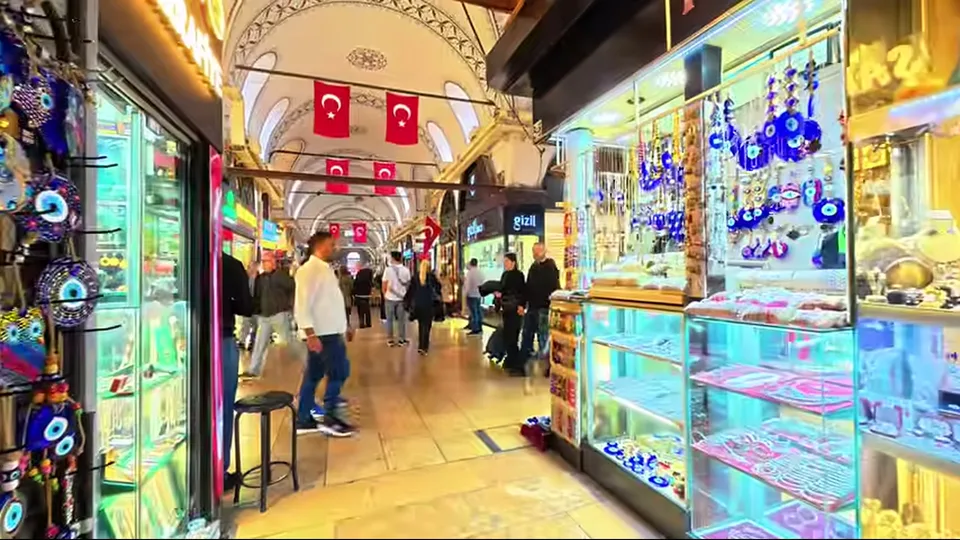
While the Grand Bazaar is a public space with multiple free entrance gates, the 'booking required' status typically refers to organized guided tours or specialized access to the rooftops.
A standard self-guided visit costs nothing, but first-time visitors often make the mistake of wandering only the main gold and carpet streets, missing the historic 'hans' (hidden courtyards) where the real craftsmanship happens.
If you are looking for a deeper experience, a guided tour starting around 450 TRY is the practical choice.
The bazaar operates from 09:00 to 19:00 and is closed on Sundays and bank holidays. To avoid the most intense crowds, arrive exactly at 09:00. This 'calm' window lasts until about 11:00, allowing you to speak with shopkeepers before the heavy tourist flow begins.
If you are a photographer, the late afternoon light filtering through the high windows creates a dramatic atmosphere, though navigating the narrow lanes becomes significantly harder as the crowds peak.
For families, the morning slot is non-negotiable. By 14:00, the main arteries like Kalpakçılar Street become extremely packed, which can be overwhelming for children or those who dislike tight spaces. Solo travelers looking for the best deals should also aim for the morning when sellers are eager to make their 'siftah' (the first sale of the day).
The Grand Bazaar is frequently included as a key stop in the Istanbul E-Pass and the Istanbul Welcome Card. While the bazaar itself has no entry fee, these passes provide a professional guide who helps navigate the labyrinth and, more importantly, assists with the etiquette of haggling.
Using a city pass is the most efficient way to combine a bazaar visit with the nearby Blue Mosque or Hagia Sophia, as they are within walking distance via the T1 Tram line.
There are no specific 'resident discounts' for the bazaar since entry is free, but many shops offer better pricing if you pay in cash (TRY) rather than credit cards. If you are planning to visit the Spice Bazaar (Mısır Çarşısı) as well, look for 'Old City' walking combos that cover both markets in a single afternoon to save on individual tour bookings.
A guide is not necessary if your only goal is to buy a souvenir or a box of Turkish delight. The layout is a grid, and you will eventually find an exit. However, a guide adds immense value if you are interested in the 'hidden' bazaar.
They can lead you to the Zincirli Han or the ancient silver workshops that are nearly impossible for a tourist to find alone.
Skip the tour if you prefer to get lost and enjoy the chaos at your own pace. Choose a tour if you want to understand the history of the guilds, find high-quality leather or jewelry without the high-pressure sales tactics of the main thoroughfares, and learn the subtle art of Turkish bargaining.
Tip: The nearest transport hub is the Beyazıt-Kapalıçarşı station on the T1 Tram line. Use this instead of taxis, which often struggle to navigate the congested streets of the Fatih district.
Mini-calculator based on crowd levels by day and time.
Mini-calculator based on crowd levels by day and time.
This day is usually noticeably busy. This slot has a higher chance of a comfortable visit: fewer people and calmer pace. Weather is currently not ideal: clear ☀️.
The Grand Bazaar is a vast covered district in the historic center. The most reliable way to reach it is by taking the T1 Tram to the Beyazit-Kapalicarsi station. From there, follow the signs for a two-minute walk to the Beyazit Gate, which serves as one of the main access points to the market's interior.
Upon arrival, you will encounter security checkpoints equipped with metal detectors. These are mandatory for all visitors and can cause short queues during the middle of the day. The bazaar is a complex network of 64 streets, so allow extra time to orient yourself once you pass the threshold.
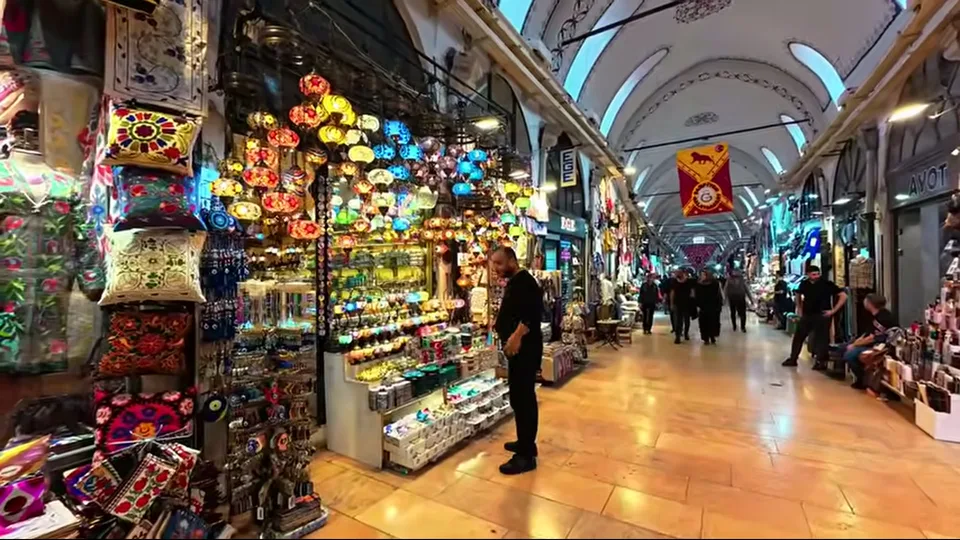
The Grand Bazaar is a massive historic district rather than a single building. For a smooth first visit, enter through the Beyazıt Gate via the T1 tram line (Beyazıt–Kapalıçarşı stop). Navigating the bazaar involves constant movement through dense crowds and narrow, cobblestoned lanes, which can be physically taxing.
Expect a high-sensory environment with persistent vendors and prices that are often higher than in local neighborhoods like Kadıköy or Üsküdar.
A confirmed booking slot is mandatory for entry. Do not wait until you reach the gates to arrange your confirmation, as mobile signals can be spotty near the thick stone walls and queues form quickly. There is no central ticket office or reception desk; the gates themselves serve as the checkpoints.
If you are meeting others, specify a numbered gate (such as Gate 1 or Gate 7) in advance, as it is nearly impossible to find someone once inside the labyrinth.
There are no official luggage lockers or cloakrooms inside the Grand Bazaar. Visitors arriving directly from the airport or train station should leave their bags at their hotel or use private luggage storage services near the Sultanahmet or Sirkeci transit hubs.
While strollers are technically permitted, they are highly impractical due to the uneven stone flooring, stairs in certain sections, and the sheer volume of pedestrian traffic. It is better to use a baby carrier.
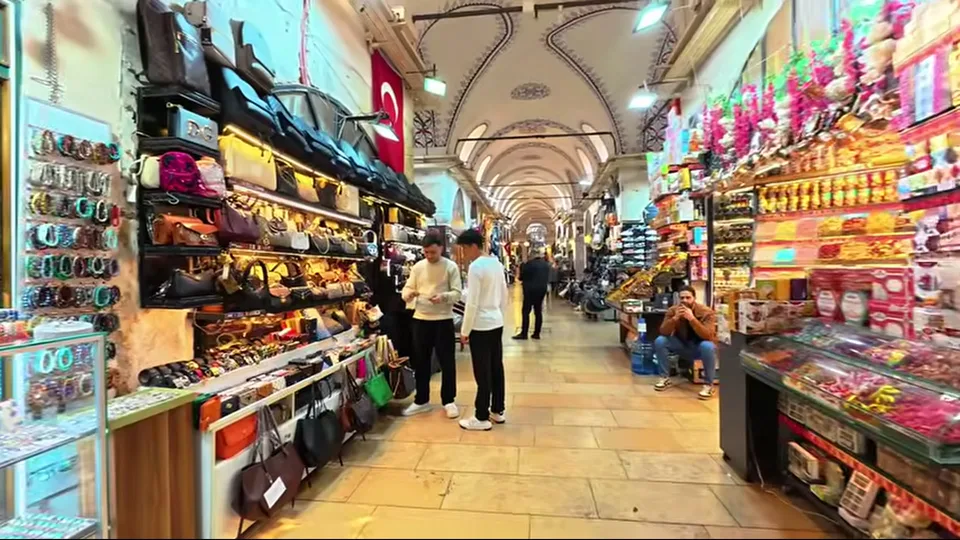
Start your morning at the Blue Mosque before walking toward the Grand Bazaar to explore its hidden courtyards and gold sections. After a traditional lunch at Havuzlu Restaurant inside the market, head out through the Beyazıt Gate to browse the Sahaflar Book Market.
Finish the afternoon by taking the T1 tram to the Spice Bazaar for a sensory finale of colors and scents.
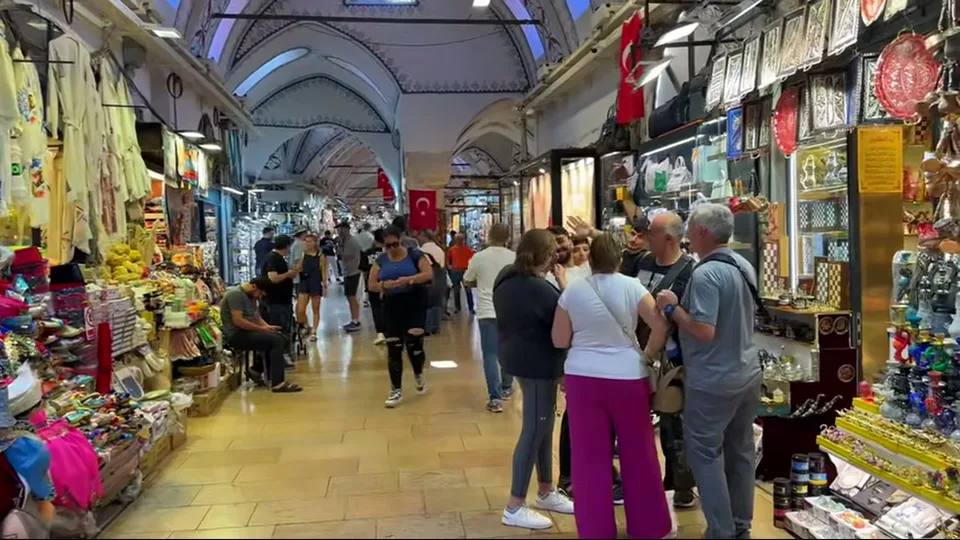
The Grand Bazaar was established in the mid-1400s shortly after the Ottoman conquest to serve as the economic engine of the new capital. Sultan Mehmed II commissioned the initial stone structures to centralize the trade of luxury goods and generate revenue for the Hagia Sophia.
What began as two small domed warehouses eventually grew into a massive complex of over 60 streets and thousands of shops.
Over the centuries, the bazaar evolved into a city within a city, protected by thick walls and monumental gates. It survived numerous fires and earthquakes, with each rebuilding phase adding the iconic vaulted ceilings and labyrinthine layout seen today.
For generations, it functioned not just as a market, but as a financial center and a vital link in the global Silk Road trade.
Today, the bazaar remains the heart of Istanbul’s traditional commerce. While it is a primary destination for jewelry, carpets, and ceramics, it maintains the centuries-old atmosphere of a bustling trade hub. Navigating its narrow alleys offers a direct connection to the craftsmanship and social traditions that have shaped the city for over five centuries.

Partially accessible; level main gates but uneven historic flooring.
Yes, but requires constant supervision due to crowds and layout.
The Grand Bazaar is largely accessible to wheelchair users and strollers via its primary entrances. Gates such as Nuruosmaniye (Gate 1) and Beyazıt (Gate 7) offer level access to the main vaulted corridors. While the central thoroughfares are flat, the historic stone flooring is often uneven and can be slippery.
Visitors with reduced mobility should be aware that the smaller side streets and traditional 'hans' (inner courtyards) frequently feature high stone thresholds or narrow, steep staircases that are not wheelchair-compatible.
Entry to the bazaar is free for all visitors, regardless of age. There are no formal age restrictions, but children should be closely supervised at all times due to the sheer scale and complexity of the market; it is a labyrinth of 61 streets where it is easy to become separated.
The environment is high-sensory, with significant noise and dense crowds, which can be overwhelming for younger children.
Strollers are allowed throughout the complex, though navigating them is challenging during peak hours from midday to late afternoon. For a more manageable experience, families should arrive near the 10:00 AM opening time.
Public restrooms are located near the main gates; these typically require a small cash payment of approximately 10 to 20 TRY and may have limited space for strollers or modern diaper-changing facilities.
Restrooms and Prayer Rooms Paid public toilets (WC) are located throughout the bazaar, typically situated near the mosque areas or within the larger 'han' (courtyards). Access requires a small fee in TRY, usually payable by coins or Istanbulkart. Several small prayer rooms (mescit) are also available within the complex for public use.
Dining and Refreshments The bazaar offers a wide range of dining, from traditional tea houses to high-end restaurants. Şark Kahvesi is a landmark spot for authentic Turkish coffee in a casual setting. For a premium experience, Nusr-Et Steakhouse is located in the Sandal Bedesteni section.
Small stalls selling bottled water, simit, and fresh juices are found in almost every corridor.
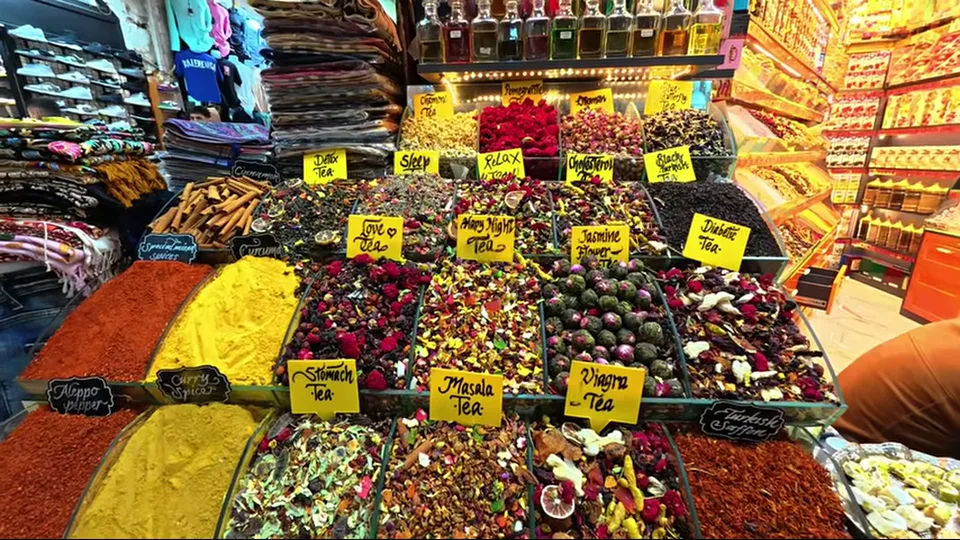
Shopping and Connectivity As one of the world's largest covered markets, the site itself is a massive collection of shops specializing in gold jewelry, leather goods, hand-woven carpets, and Turkish ceramics. While there is no bazaar-wide free Wi-Fi, most established cafes and restaurants provide internet access to their customers.
Visitor Requirements Entry is managed via a booking slot system. Ensure your reservation is confirmed before arriving at the gates to avoid delays. Because the bazaar has multiple entrances, such as the popular Beyazıt gate, it is best to decide on a specific meeting point in advance, as the dense crowds and layout make it easy to lose your way.